
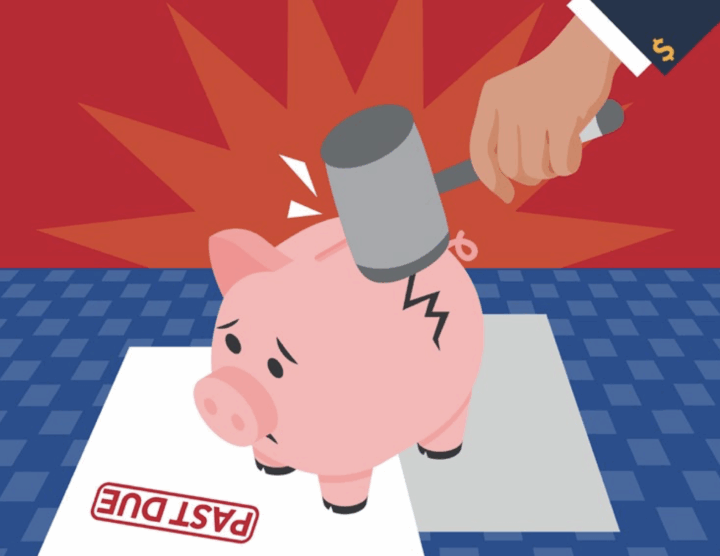
In Oklahoma, the rules for garnishment give debt collectors a lot of power. But they offer little automatic help for people’s bank accounts. The NCLC’s Safe Deposits report from February 2026 gives our state an “F” grade for this reason. We have no law to shield a basic amount in a bank account from collectors.
Once a judgment is made—often by default—collectors can take wages (up to 25% of take-home pay), freeze bank accounts, or put holds on property. It starts with an “assets hearing,” where people must share their money details under oath. If they miss it, they could get an arrest warrant.
Our exemptions are weak and hard to use. Things like Social Security or veterans’ benefits are safe if you can trace them. But there’s no automatic protection for regular money in a bank account. Collectors can take every last penny, even if it means families can’t pay for food or rent.
The ATJ report says rural areas see more garnishments. And since defaults don’t need proof, bad claims win easy. Court fees, interest, and extra costs add up fast. This turns a small debt into a huge one. Unlike wages, which have limits, bank accounts can be emptied if people don’t claim exemptions quick. But claiming them means dealing with hard forms, short deadlines, and maybe fees—things that scare off low-income folks.
This setup helps out-of-state buyers who grab “written-off” debts cheap, win fast defaults, and take money hard. The first lenders get tax perks, while collectors make big profits and send cash out of state.
Oklahoma deserves better. It’s time for change.