Urgent Call to Action: Protecting Oklahoma Families from Debt Collectors
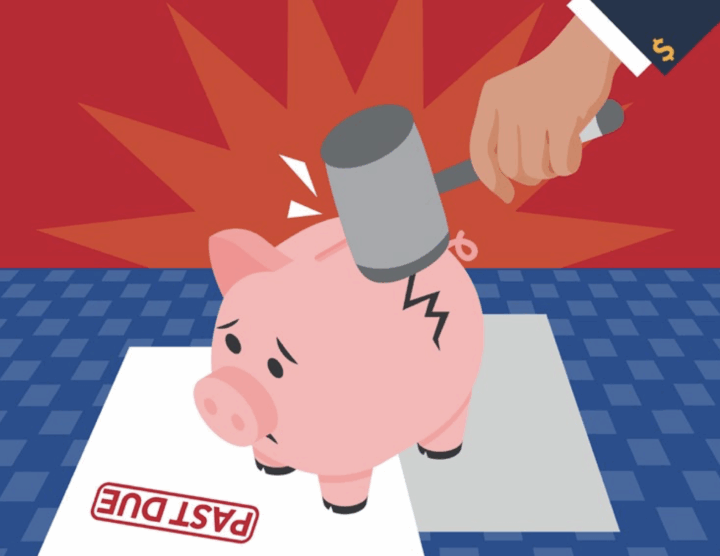
In February 2026, the National Consumer Law Center (NCLC) put out a key report called Safe Deposits: How to Protect Family Bank Accounts from Debt Collectors. This report looks at the big problems caused by debt collectors taking money from bank accounts across the U.S. Household debt has grown to more than $18 trillion as of September 2025. Credit card debt alone jumped by $24 billion in just three months that year. The report says states should set up automatic protections for a basic amount in family bank accounts—like $3,000—to keep money safe for things like rent, food, and bills. Sadly, the NCLC gave Oklahoma an “F” grade because our state does not protect any general funds in a bank account. This leaves families open to harm. As Oklahoma deals with its own debt issues, our lawmakers need to step up and follow the 13 states that already have these protections. If they don’t, more families will fall deeper into poverty while out-of-state debt collectors take money from our communities.
The Debt Collection Crisis in Oklahoma: By the Numbers
Oklahoma’s courts are full of lawsuits about consumer debt. These cases take over the civil dockets and pull billions of dollars from everyday people. A 2023 study by the Oklahoma Access to Justice (ATJ) Foundation, The Downward Debt Spiral: A Study of Oklahoma’s Judicial Debt Collection System, shows that more than 340,000 business-to-person debt cases were filed from 2018 to 2022. These suits are the top type of civil case in the state. They hit both cities and rural areas hard. In fact, rural counties often have more filings per person than big cities. Some judges handle up to 200 cases in one morning.
Big national debt collectors and banks lead these cases. Many are based outside Oklahoma. Eight of the top 10 filers are out-of-state companies. These big firms know how to use the courts well. But the people being sued often can’t afford lawyers and have to face the system alone. These collectors buy old debts for just pennies on the dollar—after the first lenders get big tax breaks for writing them off. Then they file suits fast. Default judgments happen a lot when people don’t show up. These are the most common outcomes in both small claims and civil courts. In most counties, collectors don’t even need to prove the debt to win a default. This lets weak or wrong claims go through. After a judgment, they add fees and costs, making the debt bigger. The money then leaves Oklahoma, making our higher-than-average poverty rates even worse.
The ATJ report points out that these lawsuits hit low-income people the hardest. They often use high-interest loans for basics like doctor bills, car loans, or food. When debt gets out of control, it leads to court. There, a lack of easy legal info puts people at a disadvantage. Many courts don’t offer steady mediation help. Without it, cases move fast to judgments. The end result is a “downward debt spiral” that hurts people’s health, mind, and money. It also makes it hard for them to work and stay out of poverty.
Oklahoma’s Current Garnishment Laws: A Recipe for Harm
In Oklahoma, the rules for garnishment give debt collectors a lot of power. But they offer little automatic help for people’s bank accounts. The NCLC report gives our state an “F” grade for this reason. We have no law to shield a basic amount in a bank account from collectors. Once a judgment is made—often by default—collectors can take wages (up to 25% of take-home pay), freeze bank accounts, or put holds on property. It starts with an “assets hearing,” where people must share their money details under oath. If they miss it, they could get an arrest warrant.
Our exemptions are weak and hard to use. Things like Social Security or veterans’ benefits are safe if you can trace them. But there’s no automatic protection for regular money in a bank account. Collectors can take every last penny, even if it means families can’t pay for food or rent. The ATJ report says rural areas see more garnishments. And since defaults don’t need proof, bad claims win easy. Court fees, interest, and extra costs add up fast. This turns a small debt into a huge one. Unlike wages, which have limits, bank accounts can be emptied if people don’t claim exemptions quick. But claiming them means dealing with hard forms, short deadlines, and maybe fees—things that scare off low-income folks.
This setup helps out-of-state buyers who grab “written-off” debts cheap, win fast defaults, and take money hard. The first lenders get tax perks, while collectors make big profits and send cash out of state.
Time for Change: Follow the Leaders
The NCLC report shows change is possible. Thirteen states—California, Connecticut, Delaware, Massachusetts, Maryland, New Mexico, Nevada, New York, Ohio, Oregon, Pennsylvania, Washington, and Wisconsin—have automatic bank account protections. These keep a set amount safe (often tied to rising costs) without people having to fill out forms or go to hearings. Banks just hold back the protected money when a garnishment comes. This stops freezes that cause bad checks and fees.
Oklahoma should pass a law like the NCLC’s example: an automatic $3,000 shield for any bank account, no matter the source. This could come from new laws, court rules, or simple forms. It would guard basics, get more people to join in cases, and stop predators from taking our wealth. States like Pennsylvania used court rules, and Wisconsin used forms—it works without big changes.
Lawmakers, the facts are clear: Debt collection traps people in poverty. With automatic protections, Oklahoma can help families, build stronger money security, and keep cash in our state. Call your reps today—push for change before more families suffer.
Related Posts

800-350-2707
GET ANSWERS NOW! YOU MAY BE ENTITLED TO AN AWARD OF $1,000 OR MORE.